Mustard seed
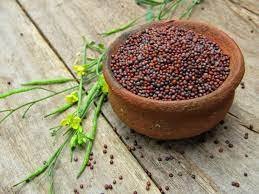
Mustard seeds, tiny in size but mighty in flavor and versatility, have been a staple in culinary traditions around the world for thousands of years. These small, round seeds come from the mustard plant, a member of the Brassicaceae family, which also includes cabbage, broccoli, and Brussels sprouts.
One of the most intriguing aspects of mustard seeds is their ability to transform dishes with their distinct taste and aroma. When crushed or ground, mustard seeds release pungent oils that give the mustard its characteristic tangy flavor. Depending on the variety of mustard seed used, the resulting condiment can range from mild and sweet to intensely spicy.
In addition to their culinary uses, mustard seeds have also been valued for their medicinal properties. In traditional medicine systems like Ayurveda, mustard seeds are believed to have digestive, antibacterial, and anti-inflammatory properties. They have been used to alleviate digestive issues, stimulate appetite, and even relieve muscle pain when applied topically.
Culturally, mustard seeds play a significant role in many cuisines. In Indian cooking, they are often tempered in hot oil to release their flavor before being added to dishes such as curries, dals, and vegetable stir-fries. In European cuisine, mustard seeds are a key ingredient in making mustard sauce, which pairs well with meats, sandwiches, and pretzels.
Beyond their culinary and medicinal uses, mustard seeds have symbolic significance in various cultures. In Christianity, mustard seeds are mentioned in the Bible as a symbol of faith. The parable of the mustard seed in the New Testament describes how even the smallest seed can grow into a large, flourishing plant, representing the power of faith to overcome obstacles.
From ancient times to the modern kitchen, mustard seeds have remained a prized ingredient cherished for their bold flavor and myriad uses. Whether adding depth to a curry, providing relief from indigestion, or serving as a metaphor for faith, these tiny seeds continue to leave a lasting impact on cultures and cuisines worldwide.