Cinnamon (Dalchini)
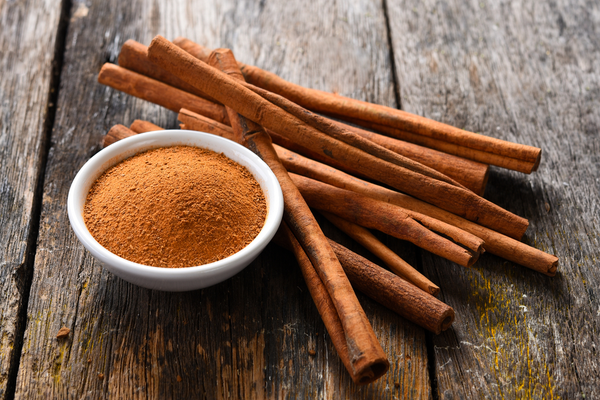
Cinnamon, known as “dalchini” in Hindi, is a spice derived from the inner bark of trees belonging to the genus Cinnamomum. Renowned for its sweet, warm flavor and enticing aroma, cinnamon has been cherished for centuries for its culinary, medicinal, and aromatic properties.
The most common type of cinnamon available is Cassia cinnamon, which has a robust, slightly spicy flavor. True Ceylon cinnamon, often considered superior in quality, has a milder taste and a more delicate aroma. Both varieties are widely used in cooking, baking, and beverage preparation.
In Indian cuisine, cinnamon is a staple spice, featuring prominently in both savory and sweet dishes. It is a key component of garam masala, the quintessential Indian spice blend, adding warmth and depth to curries, stews, and rice dishes. Cinnamon’s sweet flavor also complements desserts such as kheer (rice pudding), gulab jamun (sweet dumplings), and various spiced cakes and pastries.
Beyond its culinary uses, cinnamon is valued for its potential health benefits. It contains cinnamaldehyde, a compound with antioxidant and anti-inflammatory properties that may help lower blood sugar levels, improve heart health, and protect against certain diseases. Additionally, cinnamon has been used in traditional medicine systems for its purported antimicrobial and digestive properties.
In aromatherapy, cinnamon essential oil is prized for its stimulating and mood-enhancing effects. Its warm, comforting scent is often used in candles, incense, and room sprays to create a cozy ambiance and promote relaxation.
Overall, cinnamon’s versatility, distinct flavor, and potential health benefits make it a cherished spice in Indian cuisine and beyond, enriching dishes and delighting the senses with its aromatic charm.