What is Ragi ?(Finger Millet) Nutrition, Benefits and More
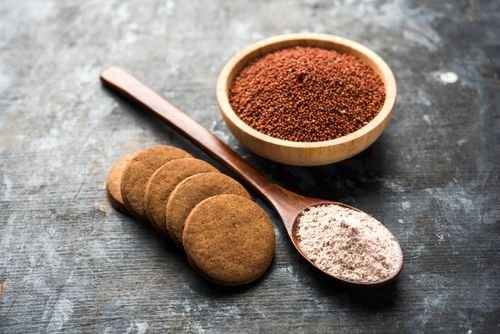
Ragi, also known as finger millet, is a highly nutritious grain that has been a staple in many parts of India and Africa for centuries. It is known for its numerous health benefits and is considered a superfood. Here’s an overview of ragi, its nutritional profile, benefits, and more:
Nutritional Profile:
Ragi is packed with essential nutrients. Here’s what you get from 100 grams of ragi:
- Calories: 336 kcal
- Carbohydrates: 72.6 g
- Protein: 7.3 g
- Fat: 1.5 g
- Dietary Fiber: 3.6 g
- Calcium: 344 mg
- Iron: 3.9 mg
- Magnesium: 137 mg
- Phosphorus: 283 mg
- Potassium: 408 mg
- Sodium: 11 mg
- Thiamin (Vitamin B1): 0.42 mg
- Riboflavin (Vitamin B2): 0.19 mg
- Niacin (Vitamin B3): 1.1 mg
Health Benefits:
- Rich in Calcium:
- Ragi is one of the best non-dairy sources of calcium, which is essential for bone health. Regular consumption can help in maintaining bone density and preventing conditions like osteoporosis.
- Gluten-Free:
- Ragi is naturally gluten-free, making it an excellent choice for those with celiac disease or gluten intolerance.
- High in Fiber:
- The high fiber content aids in digestion, prevents constipation, and helps in maintaining a healthy digestive system. It also contributes to a feeling of fullness, which can assist in weight management.
- Good Source of Protein:
- Though not as high as some other grains, the protein in ragi is good quality and provides essential amino acids, including methionine.
- Helps in Controlling Blood Sugar Levels:
- The low glycemic index of ragi makes it beneficial for diabetics, as it helps in maintaining steady blood sugar levels.
- Rich in Antioxidants:
- Ragi contains phenolic compounds and antioxidants which help in fighting oxidative stress and may reduce the risk of chronic diseases.
- Natural Relaxant:
- The amino acid tryptophan present in ragi helps in reducing anxiety, depression, and migraines. It acts as a natural relaxant.
- Aid in Weight Loss:
- The high fiber content and low glycemic index make ragi an excellent choice for weight watchers, as it helps in curbing appetite and promoting a feeling of fullness.
Culinary Uses:
Ragi can be used in various forms in the kitchen:
- Ragi Flour: Used to make rotis, dosas, idlis, and porridges.
- Ragi Malt: A popular health drink made by sprouting, drying, and grinding ragi.
- Ragi Cookies: Healthy snacks made using ragi flour.
- Ragi Porridge: A nutritious breakfast option, especially for babies and toddlers.
How to Include Ragi in Your Diet:
- Ragi Roti: Substitute regular wheat flour with ragi flour to make nutritious flatbreads.
- Ragi Dosa/Idli: Use ragi batter to make healthy dosas and idlis.
- Ragi Porridge: Cook ragi flour with water or milk and sweeten with jaggery for a wholesome porridge.
- Ragi Cookies: Bake cookies using ragi flour for a healthy snack.
- Ragi Mudde: A traditional South Indian dish made by cooking ragi flour with water to form balls.
Incorporating ragi into your diet can significantly enhance your nutritional intake and offer numerous health benefits.