What is Jowar? Nutrition, Benefits, and, More

Jowar, also known as sorghum, is a type of cereal grain that is grown primarily in tropical and subtropical regions. It is one of the most important food and fodder crops in many parts of Africa and Asia. Here’s a detailed look at its nutrition, benefits, and more:
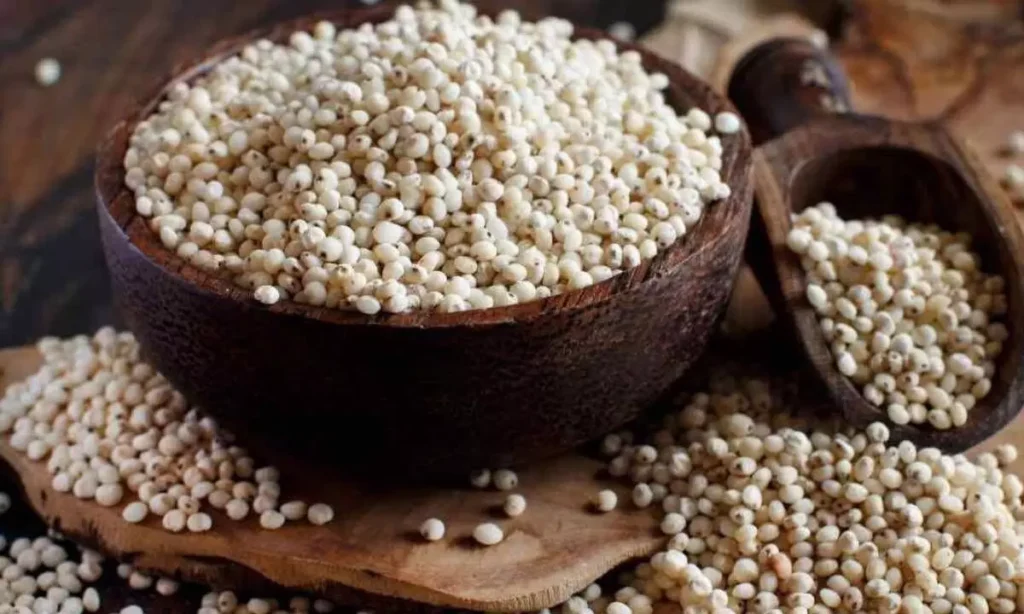
Nutrition
Jowar is highly nutritious and provides a variety of essential nutrients, including:
- Carbohydrates: Jowar is rich in carbohydrates, providing a good source of energy.
- Protein: It contains a significant amount of protein, making it a good option for vegetarians and vegans.
- Fiber: High in dietary fiber, jowar helps with digestion and maintaining a healthy gut.
- Vitamins: It contains B vitamins, including niacin, thiamin, and riboflavin, which are important for metabolism and energy production.
- Minerals: Jowar is a good source of minerals like iron, magnesium, phosphorus, and potassium.
- Antioxidants: It contains phenolic compounds and antioxidants that help in reducing oxidative stress.
Benefits
- Gluten-Free:
- Jowar is naturally gluten-free, making it a safe option for individuals with celiac disease or gluten intolerance.
- Digestive Health:
- The high fiber content aids in digestion and helps prevent constipation. It also promotes a healthy digestive tract.
- Heart Health:
- The fiber and antioxidants in jowar can help lower cholesterol levels and reduce the risk of heart disease.
- Weight Management:
- Being high in fiber, jowar can help you feel full longer, which can aid in weight management and preventing overeating.
- Blood Sugar Control:
- Jowar has a low glycemic index, which means it is digested and absorbed slowly, leading to a gradual rise in blood sugar levels. This makes it beneficial for people with diabetes.
- Bone Health:
- Rich in magnesium and calcium, jowar can help maintain strong and healthy bones.
- Rich in Antioxidants:
- The antioxidants present in jowar help fight free radicals, reducing oxidative stress and potentially lowering the risk of chronic diseases.
Uses
Jowar can be used in various culinary applications:
- Flour: Jowar flour can be used to make roti (flatbreads), porridge, and baked goods like bread and muffins.
- Whole Grains: The whole grains can be cooked and added to salads, soups, or stews.
- Popped: Similar to popcorn, jowar can be popped and enjoyed as a healthy snack.
- Syrup: Sorghum syrup, made from the stalks of the jowar plant, is used as a sweetener.
More Information
- Cultivation: Jowar is a hardy crop that can grow in arid and semi-arid regions, making it a reliable food source in areas with less water.
- Cultural Significance: In many regions, jowar is a staple food and an integral part of traditional diets.
In summary, jowar is a highly nutritious and versatile grain with numerous health benefits. Its gluten-free nature, along with its rich nutrient profile, makes it a valuable addition to a healthy diet.