What is bajra? Nutrition, Benefits, and More
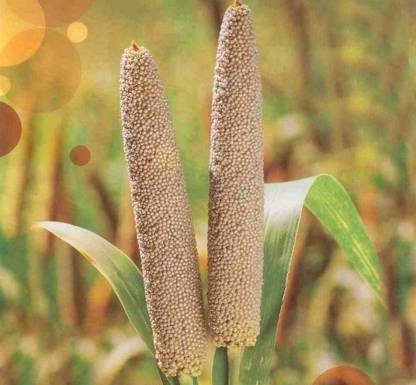
Bajra, also known as pearl millet, is a nutritious grain rich in fiber, protein, and essential minerals like iron, magnesium, and phosphorus. Naturally gluten-free, it aids in digestion, controls blood sugar levels, and supports heart and bone health. Bajra is also packed with antioxidants, boosting immunity and reducing inflammation. Popular in India and Africa, it can be used in various dishes such as flatbreads, porridge, and khichdi, making it a versatile and healthful dietary addition.
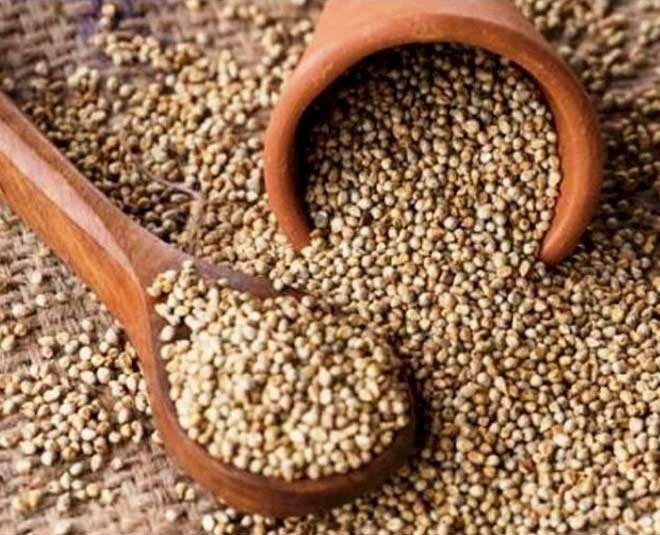
Nutrition
Bajra is rich in essential nutrients. A 100-gram serving of bajra typically contains:
- Calories: 361
- Protein: 11 grams
- Fat: 5 grams
- Carbohydrates: 67 grams
- Fiber: 8 grams
- Vitamins and minerals: It is a good source of B vitamins, including niacin, folate, and riboflavin. It also contains significant amounts of iron, magnesium, phosphorus, zinc, and manganese.
Benefits
- Rich in Fiber: Bajra is high in dietary fiber, which aids in digestion, helps prevent constipation, and can contribute to weight loss by promoting a feeling of fullness.
- Gluten-Free: It’s naturally gluten-free, making it an excellent option for those with celiac disease or gluten sensitivity.
- Controls Blood Sugar Levels: The high fiber content helps in the slow release of glucose into the bloodstream, which can help manage blood sugar levels and reduce the risk of type 2 diabetes.
- Heart Health: The presence of magnesium and potassium in bajra helps in maintaining a healthy heart by regulating blood pressure and preventing cardiovascular diseases.
- Bone Health: Bajra is rich in phosphorus and calcium, which are crucial for maintaining strong and healthy bones.
- Antioxidant Properties: It contains antioxidants that help fight free radicals, reducing oxidative stress and inflammation in the body.
- Boosts Immunity: The presence of essential nutrients like iron, zinc, and magnesium helps in boosting the immune system.
How to Include Bajra in Your Diet
Bajra can be consumed in various forms:
- Bajra flour: Used to make flatbreads like roti or bhakri.
- Porridge: Bajra can be cooked as a porridge for breakfast.
- Mixed with other grains: It can be mixed with other grains to prepare nutritious multigrain bread or rotis.
- Bajra khichdi: A popular dish in India made with bajra, lentils, and spices.
Conclusion
Bajra is a versatile and nutritious grain that can be a valuable addition to your diet. Its health benefits, including improved digestion, better heart health, and controlled blood sugar levels, make it a great choice for those looking to maintain a healthy lifestyle.